A weird world, full of true stories · Every fact checkedSubscribe
WeirdBank

A weird world, full of true stories.

Weird true stories from history, science, animals and the people behind famous brands, told as short animated videos and written out in full. Every fact is checked against two independent sources.

Psychology

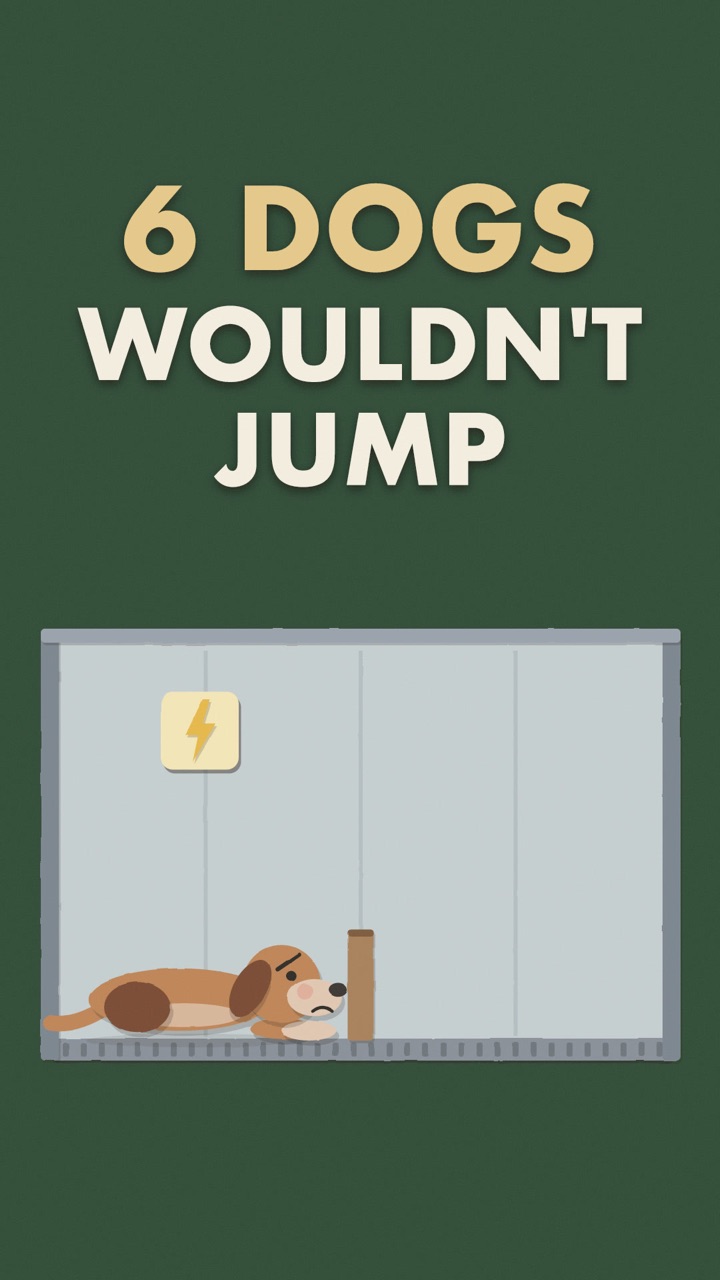
Learned Helplessness Experiment: Why 6 Dogs Stopped Trying

The learned helplessness experiment is famous for dogs that lay down instead of escaping a shock they could easily get away from. It began at the University of Pennsylvania in the 1960s, where two graduate students, Martin Seligman and Steven Maier, saw it show up by accident in someone else's experiment.

November 16, 2026 · ▶ 1:58 video

Watch the story
Latest stories

Psychology

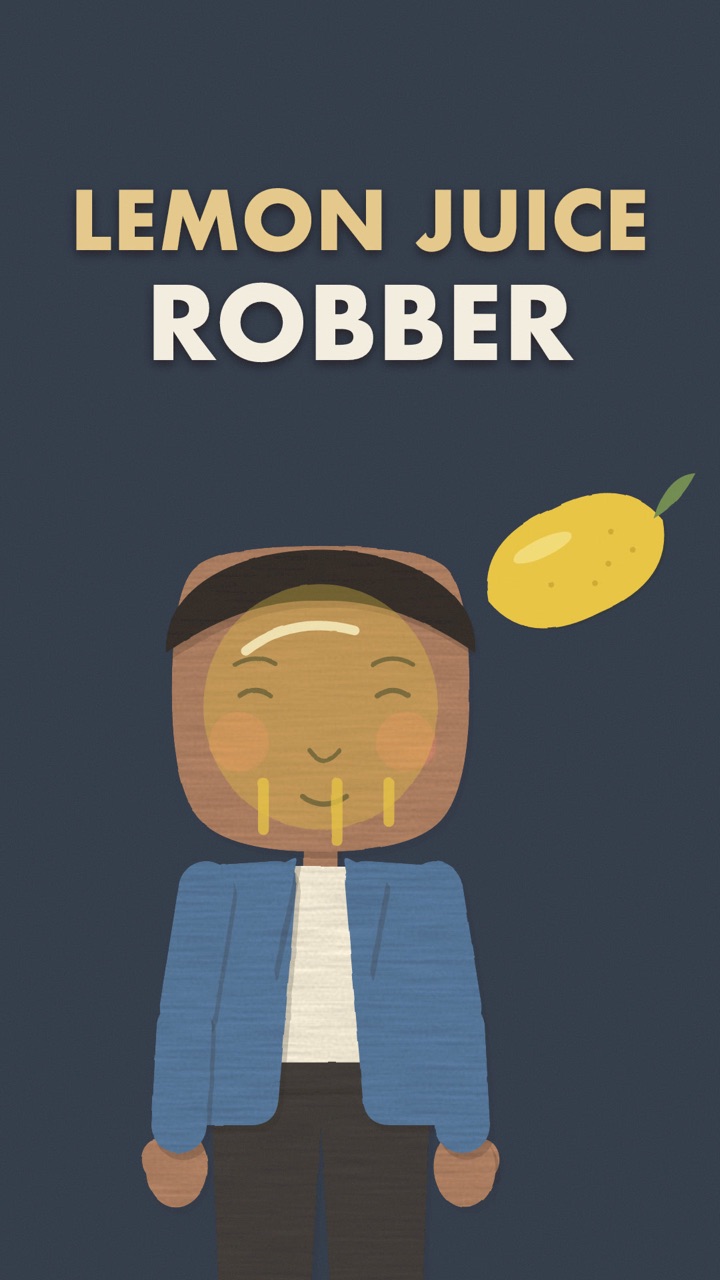
Dunning-Kruger Effect: The Lemon Juice Robber Who Inspired It

The Dunning-Kruger effect is the idea that being bad at a skill can also make you bad at noticing it. It began with a 1995 bank robbery near Pittsburgh, and scientists still argue over how much of it is real.

November 15, 2026 · 5 min read · ▶ 1:48

Psychology

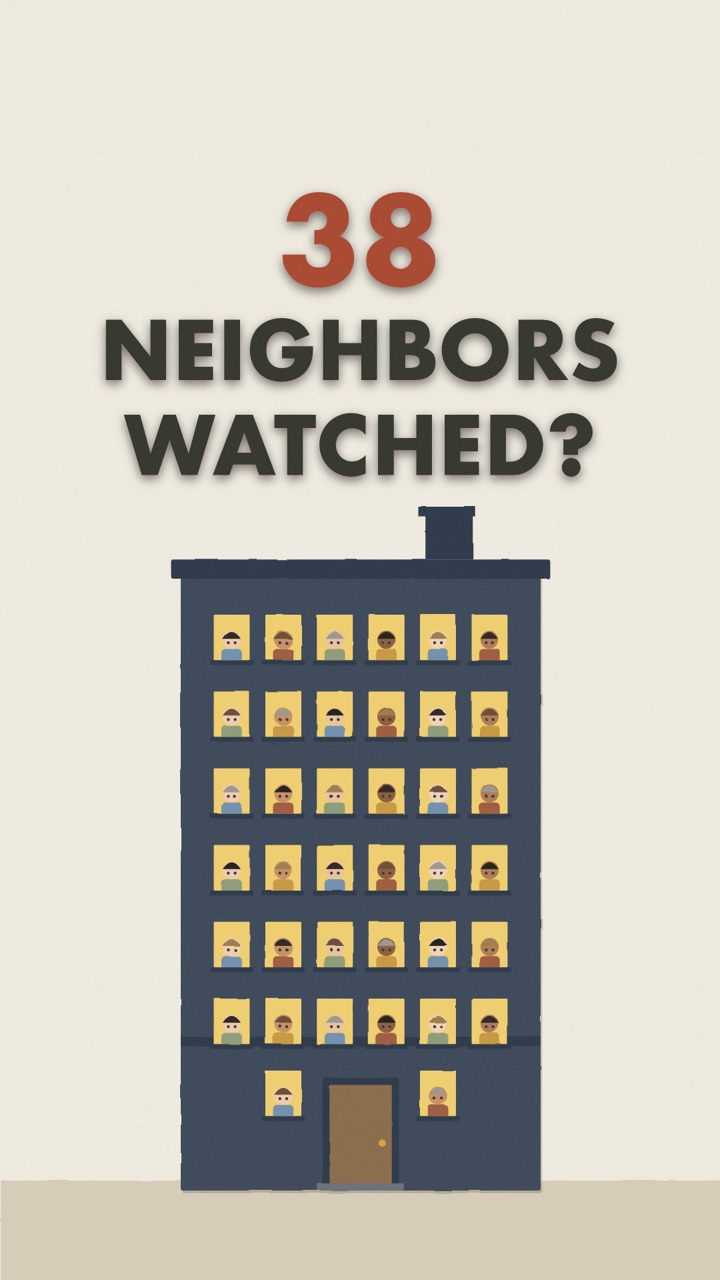
Kitty Genovese: The 38 Witnesses Story That Was Mostly Wrong

The murder of Kitty Genovese in 1964 made the bystander effect famous, after a newspaper said 38 neighbors watched and did nothing. Here is what really happened that night, what the experiments it inspired actually found, and what newer research says about whether people help.

November 14, 2026 · 5 min read · ▶ 1:45

Psychology

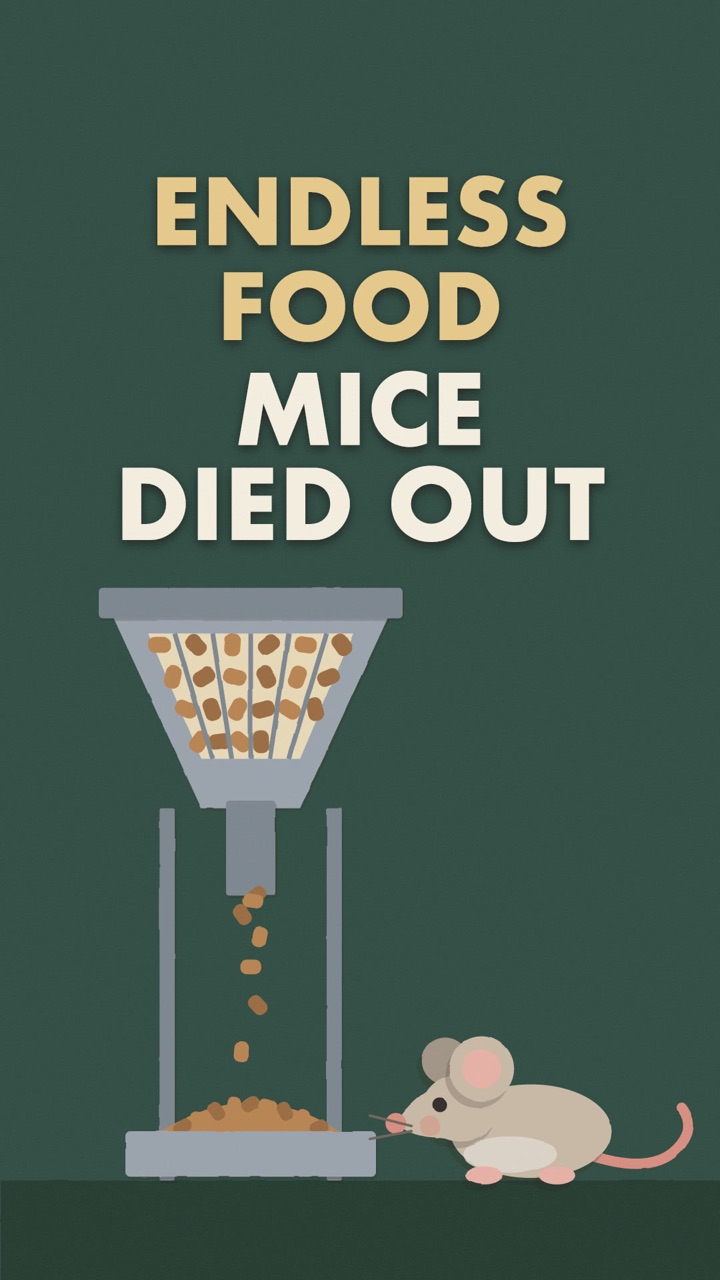
Universe 25 Experiment: Why a Mouse Paradise Died Out

The Universe 25 experiment gave mice endless food, water and shelter, yet the colony stopped having babies and died out. Here is what scientist John Calhoun saw from 1968 to 1973, and what later research says it does and does not mean for people.

November 13, 2026 · 5 min read · ▶ 1:42

Psychology

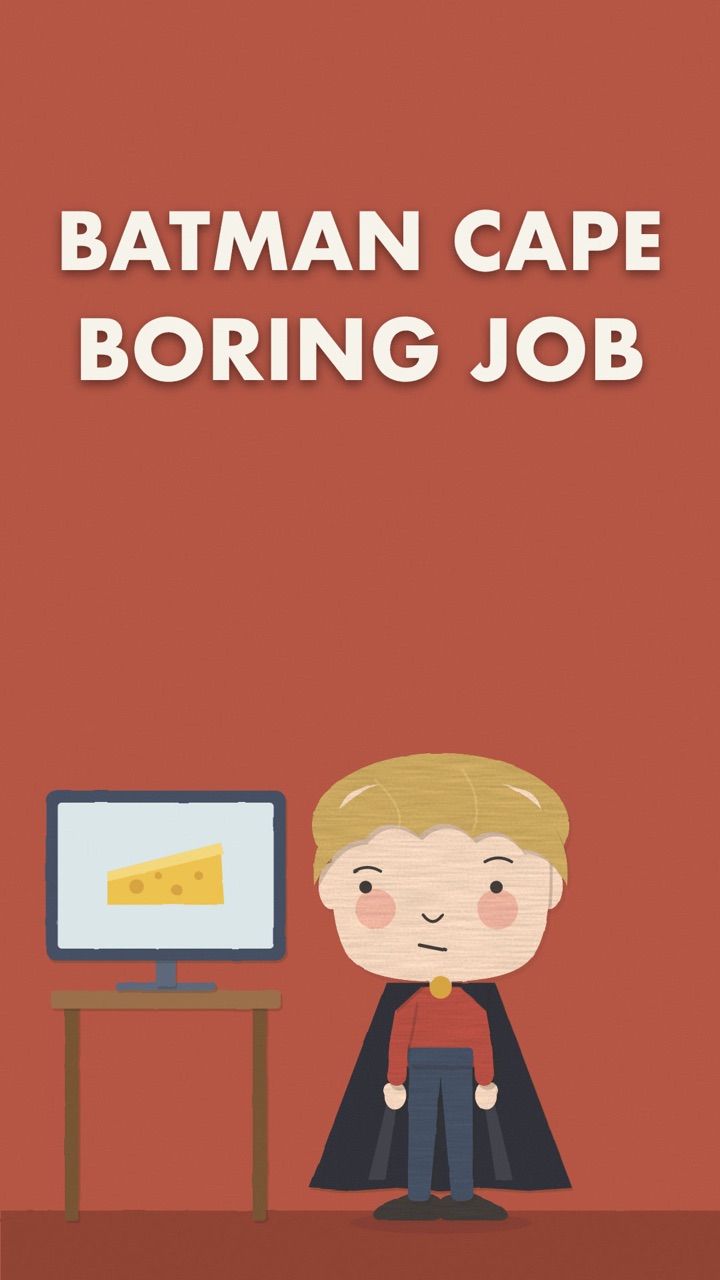
The Batman Effect: Why Kids Dressed as Heroes Kept Working Longer

The Batman effect is the name of a real psychology study in which young children who pretended to be a hardworking character, like Batman, stuck with a boring job for longer. Here is how the experiment worked, what it found, and what it cannot tell us.

November 12, 2026 · 5 min read · ▶ 1:43

Psychology

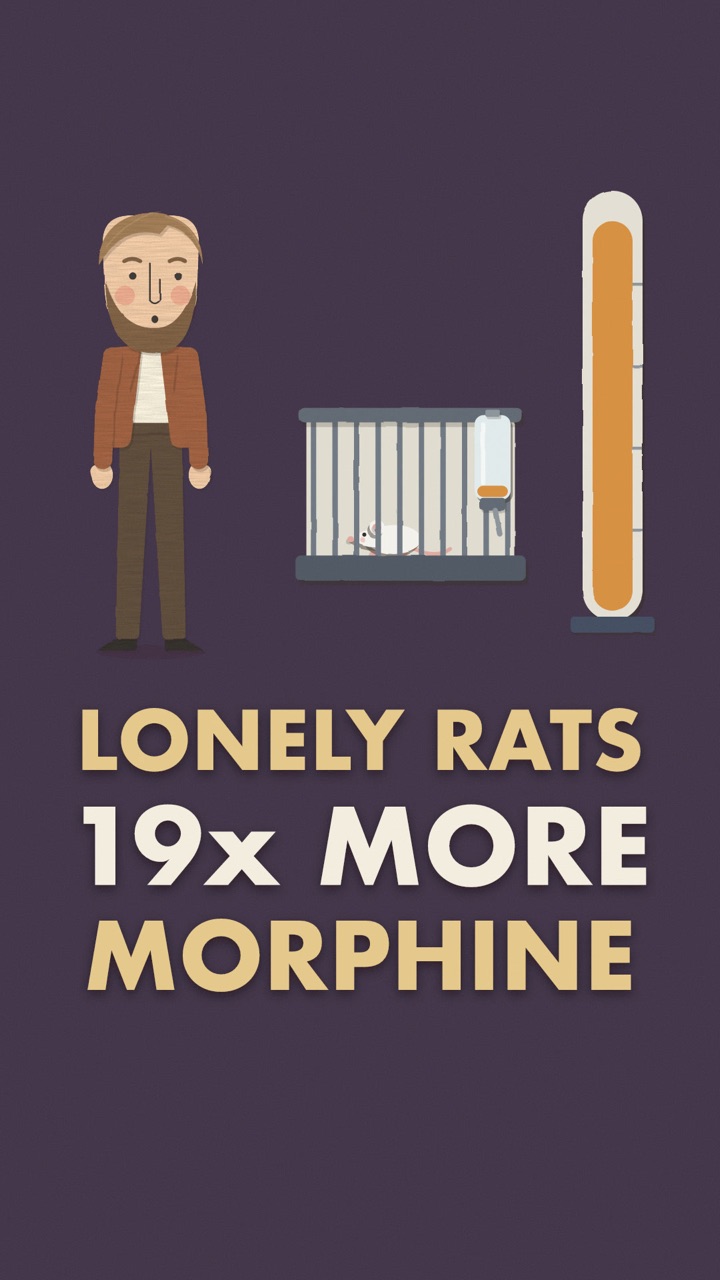
Rat Park Experiment: What a Rat Paradise Showed About Addiction

The Rat Park experiment was a set of studies in the late 1970s in which a Canadian psychologist, Bruce Alexander, offered morphine to rats living alone in small cages and to rats living together in a large, busy pen. Here is what it found, why it is still disputed, and what it can and cannot tell us about addiction.

November 11, 2026 · 5 min read · ▶ 1:51

Psychology

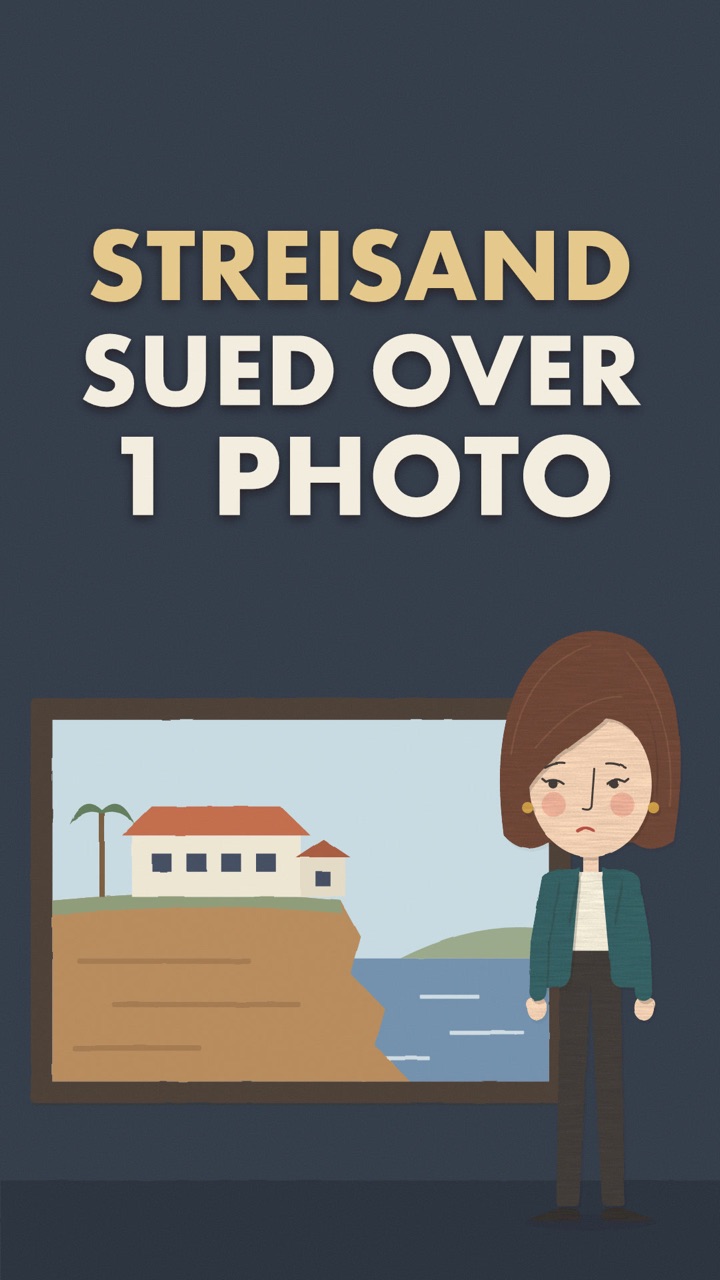
The Streisand Effect: Everyone Saw the Photo

The Streisand effect is what happens when trying to hide something makes far more people go looking for it. It is named after Barbra Streisand, who sued to hide one photo of her house.

November 10, 2026 · ▶ 1:31

Games

Who Created Pokémon? Satoshi Tajiri, the Boy Called Doctor Bug

Pokémon was created by Satoshi Tajiri, a Japanese game maker who spent his childhood catching insects. Here is how a lost bug-hunting ground, a Game Boy cable and a piece of advice from Shigeru Miyamoto turned into the first Pokémon games.

October 15, 2026 · 3 min read · ▶ 1:12

Founders

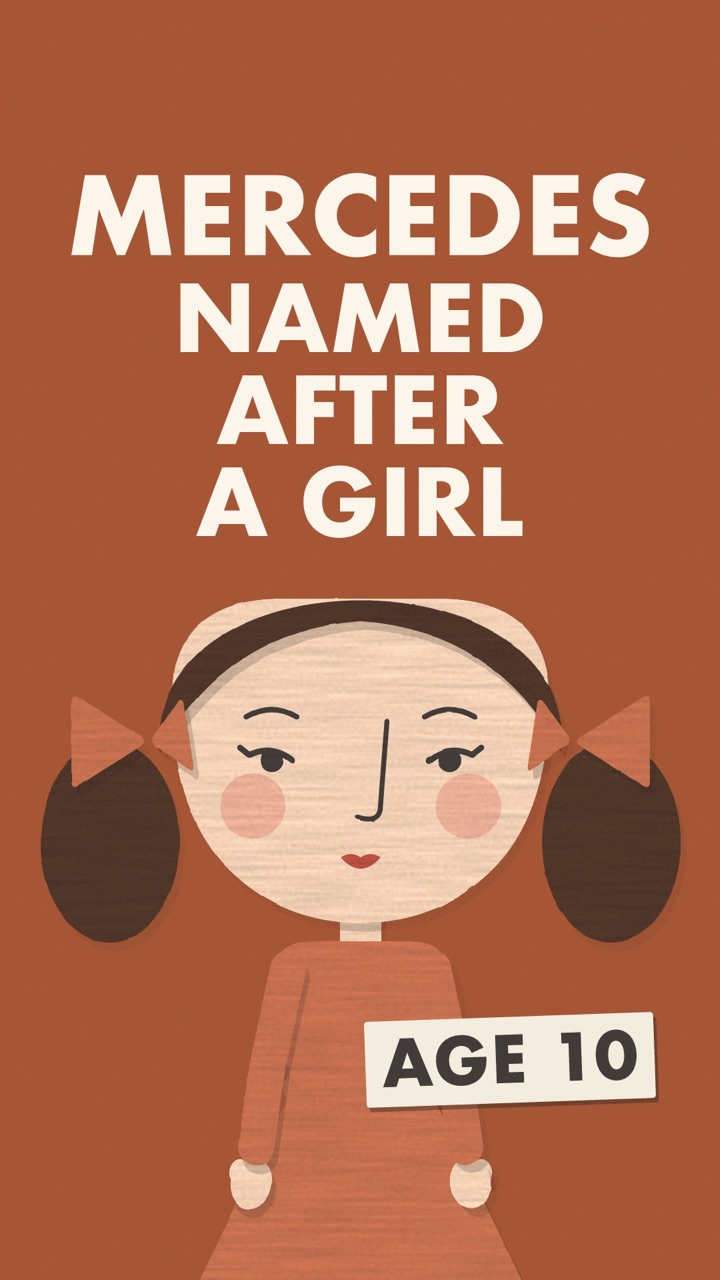
Mercedes Was Named After a 10-Year-Old Girl

Why is Mercedes called Mercedes? The name comes from a ten-year-old girl, Mercedes Jellinek. Her father Emil loved fast cars. He sold cars made by a German company called Daimler to his wealthy friends, and raced them under his daughter's name.

October 11, 2026 · ▶ 1:44

Founders

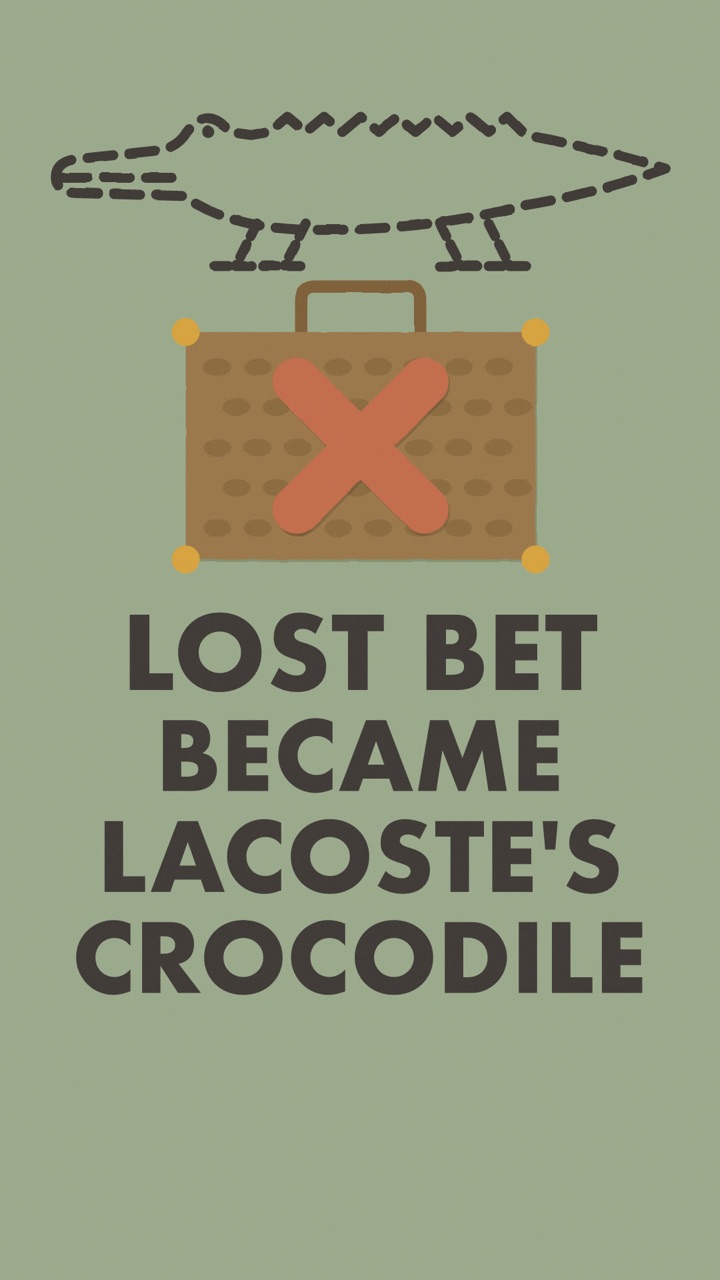
Lacoste Founder Story: The Crocodile From a Lost Bet

The Lacoste history behind the crocodile starts with a bet René Lacoste lost. In 1923, playing tennis for France in Boston, he saw a crocodile-skin suitcase in a shop window. His team captain promised it to him if he won his next match.

October 10, 2026 · ▶ 1:40

Psychology

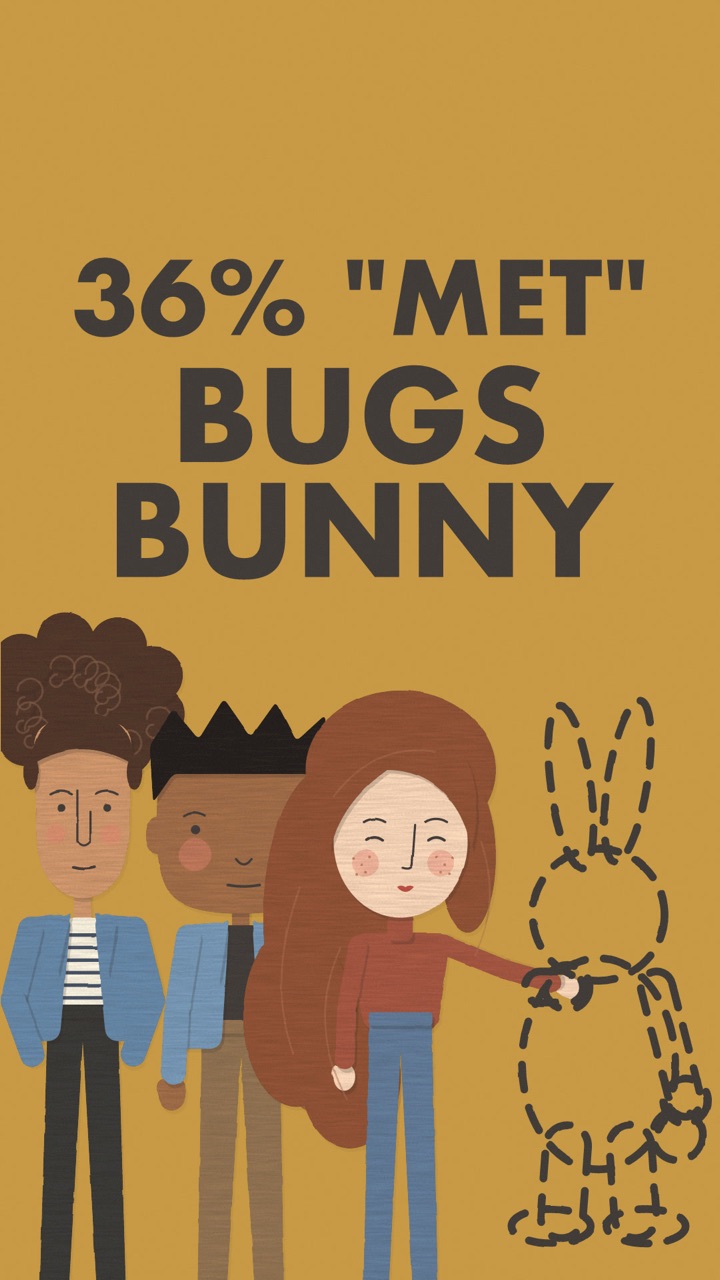
False Memory Experiment: How Scientists Planted Bugs Bunny Memories

In a famous false memory experiment, psychologist Elizabeth Loftus and her colleagues led some students to remember meeting Bugs Bunny at Disneyland, something that could never have happened. Here is how it worked, what it found and what it does not prove.

October 9, 2026 · 4 min read · ▶ 1:17

Founders

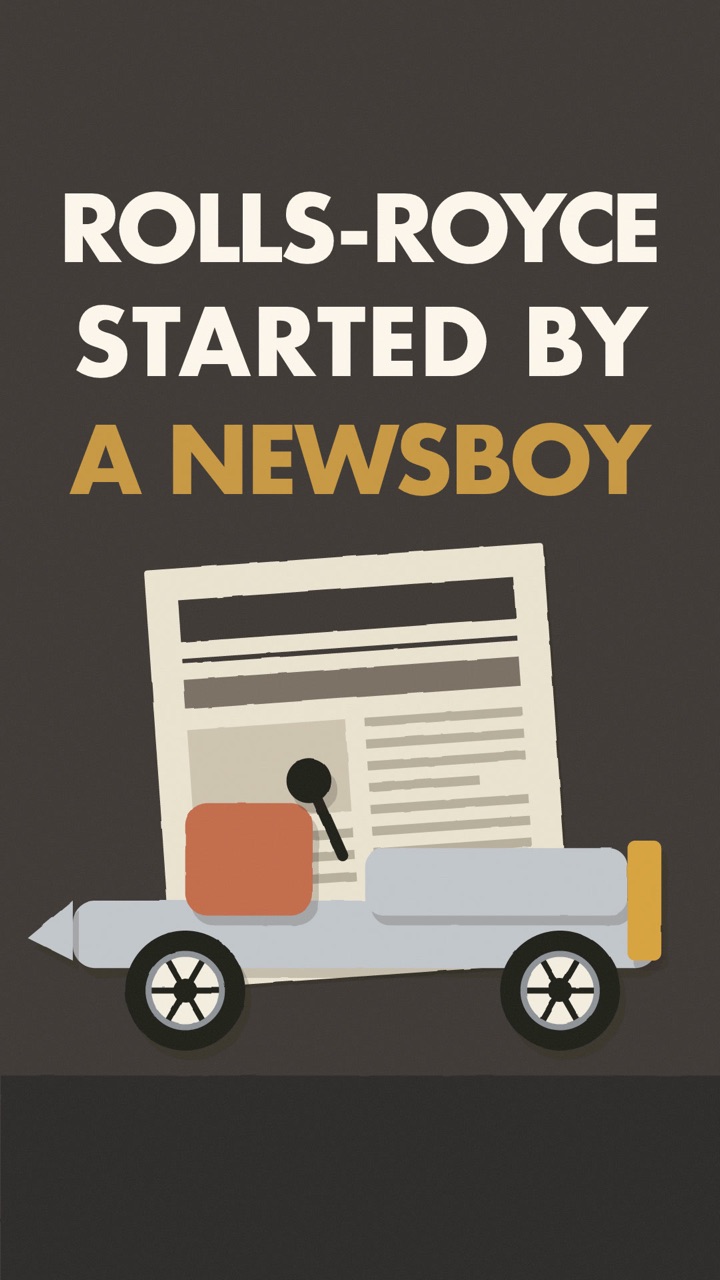
Rolls-Royce History: Started by a 10-Year-Old Paperboy

Rolls Royce history began with a boy who sold newspapers at ten and had spent just one year in school. When Henry was nine, his father's flour mill went bankrupt and his father died. Henry sold newspapers and delivered telegrams. He studied at night and trained as a railway workshop apprentice (learning a trade). At twenty-one, he started a company making electric doorbells.

October 8, 2026 · ▶ 1:28

Health

Are People With Glasses Smarter? Myopia Explained

People with nearsighted vision (far-away things look blurry, so they need glasses) really do score a little higher on intelligence tests, on average. But the glasses do not come from a sharp brain. They come from school.

October 7, 2026 · ▶ 1:33

Animals

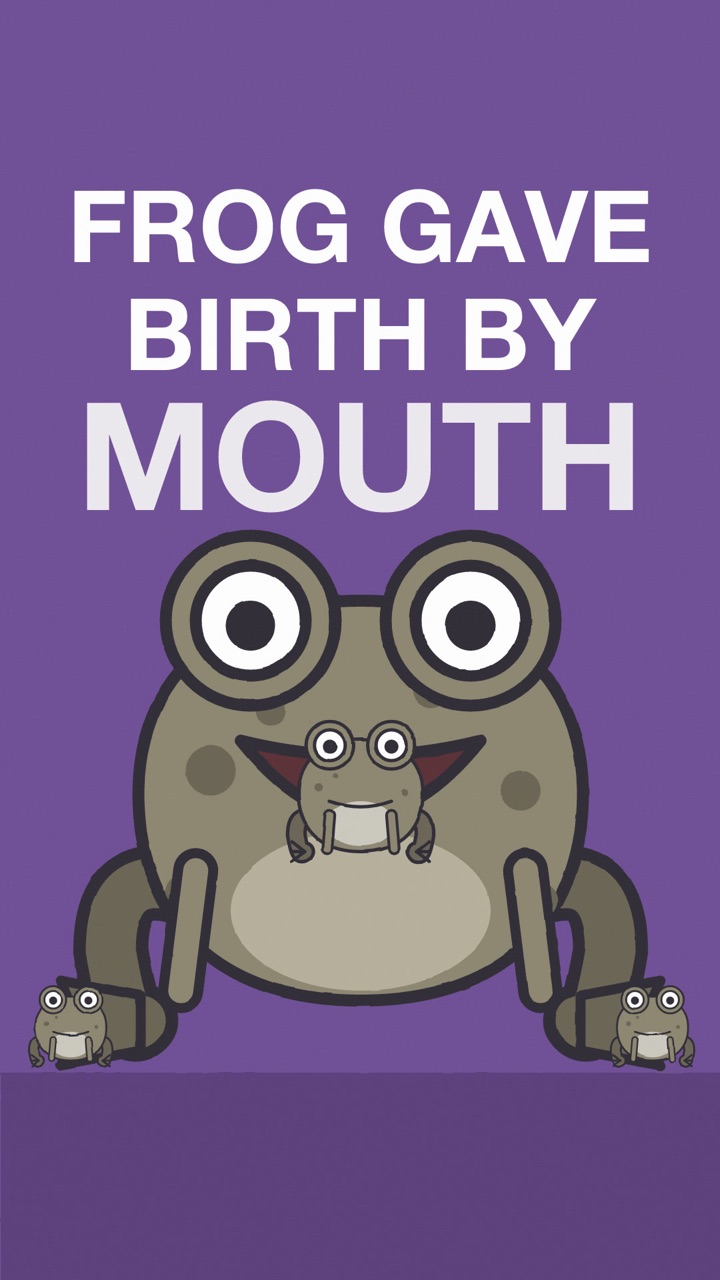
Gastric Brooding Frog: Giving Birth Through Her Mouth

The gastric brooding frog was a mother that swallowed her own babies and gave birth through her mouth. She was not eating them, but keeping them safe inside her stomach. A stomach is full of acid strong enough to break down food, so the growing babies gave off a chemical that shut her acid down.

October 6, 2026 · ▶ 1:17

Health

Does Bone Smashing Work? What Doctors and Wolff's Law Say

Bone smashing is a looksmaxxing trend in which people hit their own face bones, hoping to reshape them. Here is the bone science it borrows, and why doctors say it causes injuries, not a sharper jawline.

October 5, 2026 · 4 min read · ▶ 1:35