Stories · Animals
Crows Remember Your Face and Tell Their Friends
Crows remember faces, and they can hold a grudge for years. In one famous experiment, crows held a grudge against a rubber mask for seventeen years.
The story
Crows remember faces, and they can hold a grudge for years. In one famous experiment, crows held a grudge against a rubber mask for seventeen years.
In 2006, bird scientist John Marzluff in Seattle wore a caveman mask while he caught seven crows, put tags on their legs and let them go. From then on, whenever anyone walked by in that mask, the crows screamed and dove at them. When the team wore a different mask, the crows ignored it.
Then it got stranger. Crows that had never been caught started screaming at the mask too. Young crows, born years later, learned it by watching their parents. The grudge kept growing for seven years, then slowly faded. In 2023, Marzluff walked through campus in the mask, and not a single crow dove at him.
Why do crows do this? They live right next to people, so knowing which humans are dangerous keeps them alive. And they do not each learn it the hard way. They learn it from each other.
Sources
Every fact in this story is backed by at least two of these. How we check facts.
Full transcript
Crows held a grudge against a rubber mask for seventeen years.
The mask belonged to John Marzluff, a bird scientist in Seattle. In two thousand six, he wore it while he caught seven crows, put tags on their legs, and let them go.
From then on, whenever anyone walked by in that mask, the crows screamed and dove at them. When the team wore a different mask, the crows ignored it.
Then it got stranger.
Crows that had never been caught started screaming at the mask too. Young crows, born years later, learned it by watching their parents.
The grudge kept growing for seven years. Then it slowly faded. In two thousand twenty-three, Marzluff walked through campus in the mask, and not a single crow dove at him.
So why do crows do this? They live right next to people, so knowing which humans are dangerous keeps them alive. And they do not each learn it the hard way. They learn it from each other.
Seven birds had one bad day, and they taught their whole neighborhood never to forget it.
More weird true stories
Psychology
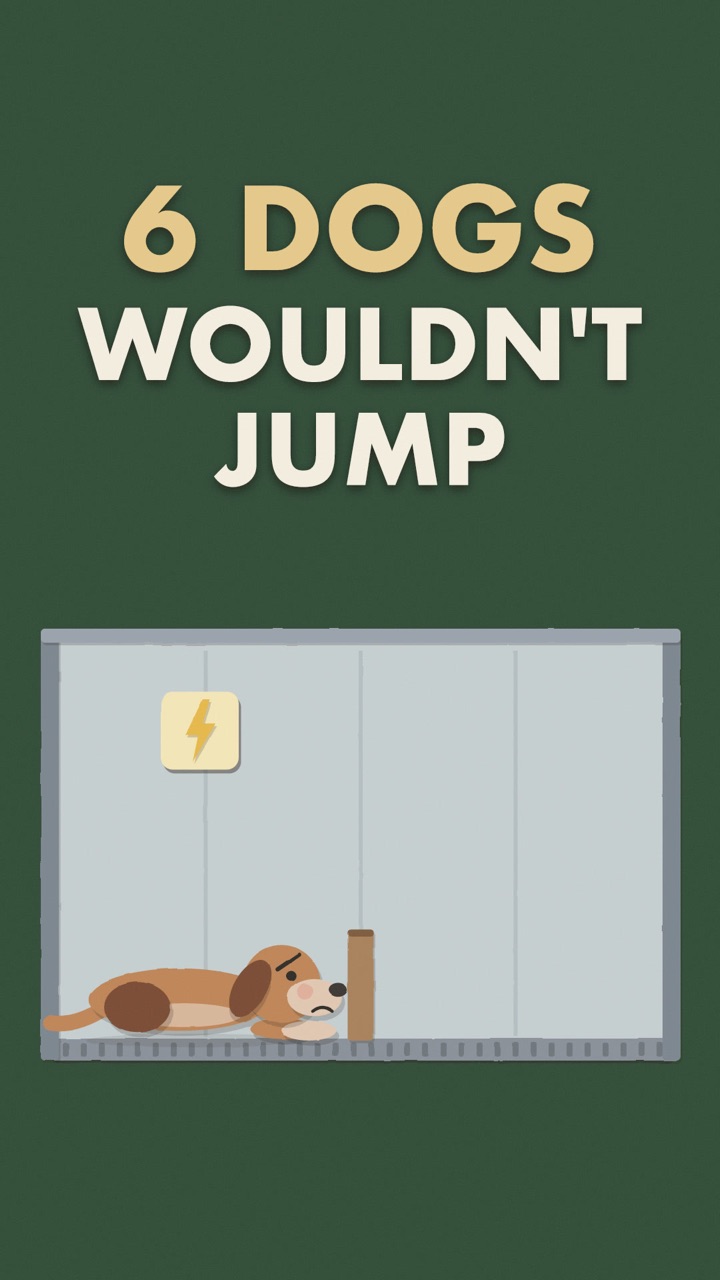
Learned Helplessness Experiment: Why 6 Dogs Stopped Trying
The learned helplessness experiment is famous for dogs that lay down instead of escaping a shock they could easily get away from. It began at the University of Pennsylvania in the 1960s, where two graduate students, Martin Seligman and Steven Maier, saw it show up by accident in someone else's experiment.
Psychology
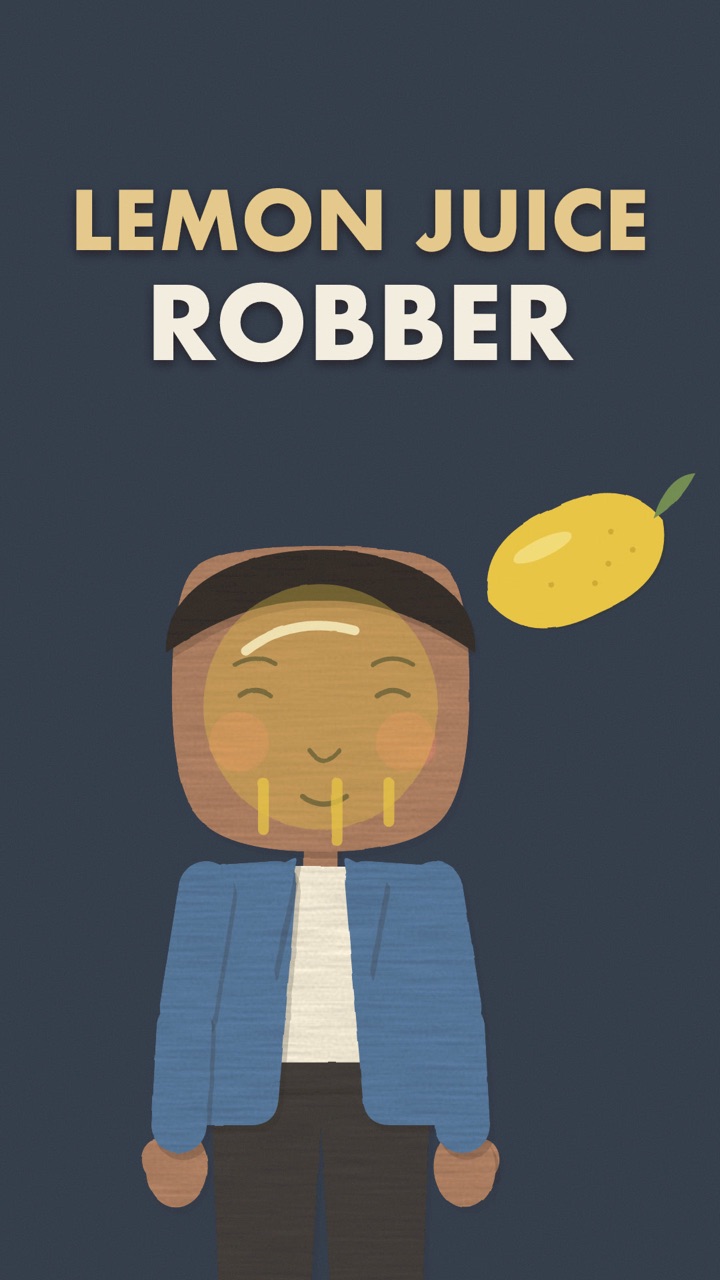
Dunning-Kruger Effect: The Lemon Juice Robber Who Inspired It
The Dunning-Kruger effect is the idea that being bad at a skill can also make you bad at noticing it. It began with a 1995 bank robbery near Pittsburgh, and scientists still argue over how much of it is real.
Psychology
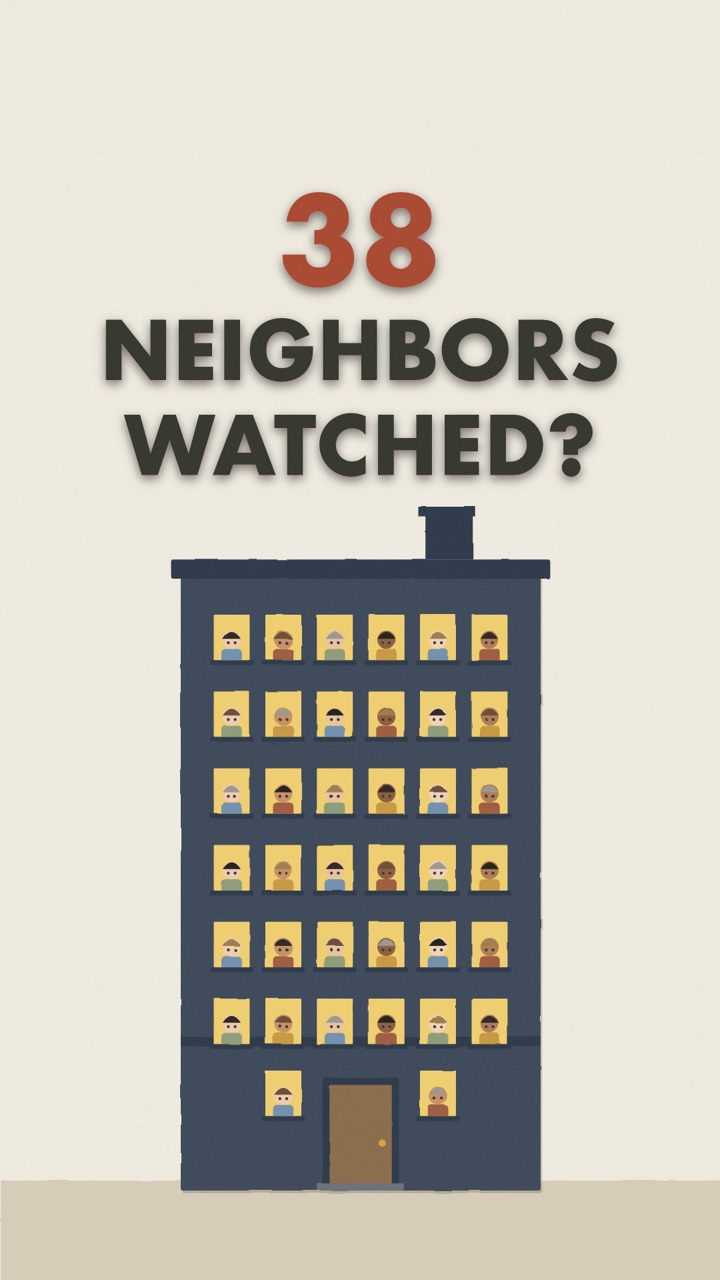
Kitty Genovese: The 38 Witnesses Story That Was Mostly Wrong
The murder of Kitty Genovese in 1964 made the bystander effect famous, after a newspaper said 38 neighbors watched and did nothing. Here is what really happened that night, what the experiments it inspired actually found, and what newer research says about whether people help.
Psychology
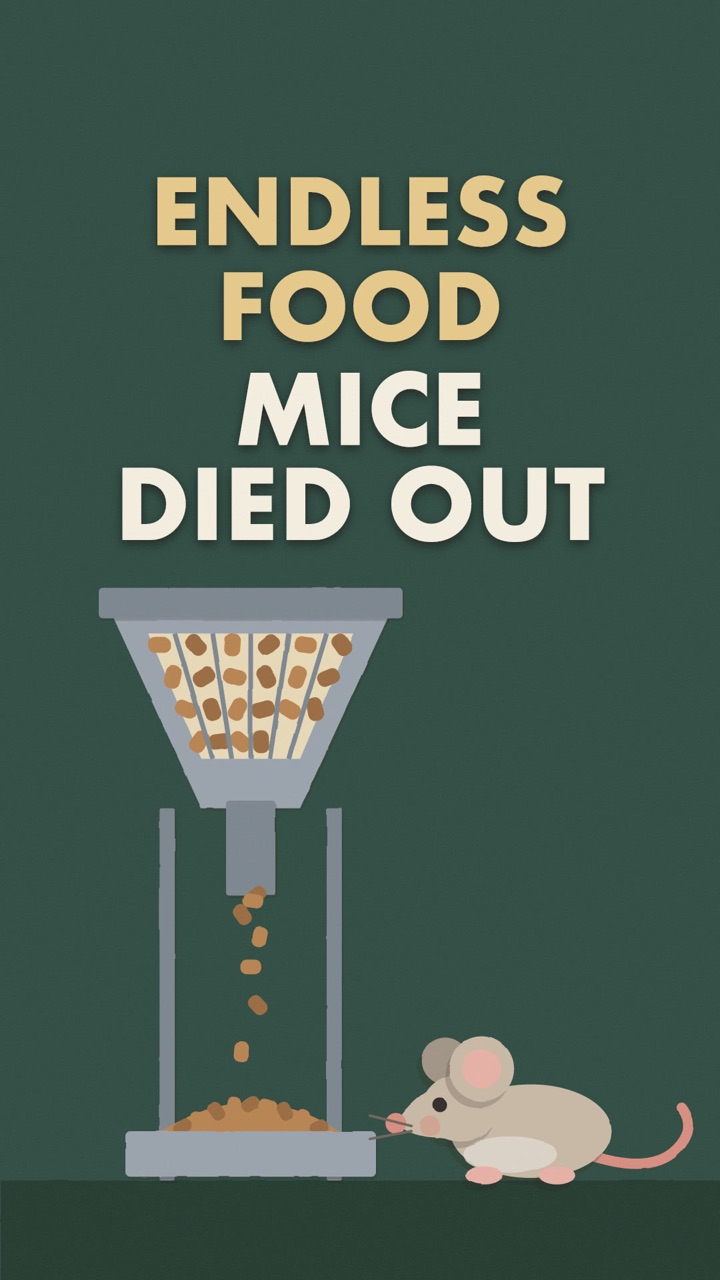
Universe 25 Experiment: Why a Mouse Paradise Died Out
The Universe 25 experiment gave mice endless food, water and shelter, yet the colony stopped having babies and died out. Here is what scientist John Calhoun saw from 1968 to 1973, and what later research says it does and does not mean for people.