Stories · Health
What Is Ozempic? It Started With a Lizard
What is Ozempic? Its story starts with a lizard that barely eats.
The story
What is Ozempic? Its story starts with a lizard that barely eats.
The Gila monster is a venomous lizard from the deserts of Arizona and Mexico. It can live on a few big meals a year, storing fat in its tail. In 1992, Dr. John Eng was studying its venom at a veterans' hospital in the Bronx, and he found something in it he named exendin-4.
Exendin-4 works like GLP-1, a hormone our own gut makes after we eat. GLP-1 tells the body to release insulin, which lowers blood sugar. It slows the stomach, so we feel full for longer, and it turns down hunger in the brain. But our own GLP-1 breaks down in about two minutes. The lizard's version lasted for hours.
The government agency that ran the hospital did not patent it, so Eng went looking for a drug company himself. In 2005, a lab-made copy of the lizard's hormone became Byetta, the first GLP-1 drug. In 2017 came Ozempic (semaglutide), built on our own hormone but changed so one shot lasts a whole week.
Our take: nobody set out to make a weight-loss shot. A doctor got curious about a lizard's venom, and that curiosity opened up a whole new kind of medicine.
This video explains history and how the hormone works. It is not medical advice.
Sources
Every fact in this story is backed by at least two of these. How we check facts.
- Military.com, From Lizard Venom to Ozempic
- Nautilus, How the Gila Monster Gave the World Ozempic
- Smithsonian's National Zoo, Gila monster
- Phoenix Zoo, Gila monster
- Golden Goose Award, John Eng (2013)
- Harvard Health Publishing, GLP-1 drugs
- Yale Medicine, GLP-1 medications
- NCBI Bookshelf (StatPearls)
- NPS MedicineWise, semaglutide
Full transcript
Ozempic's story starts with a lizard that barely eats.
So how does a desert lizard end up behind one of the most famous shots in medicine?
The lizard is the Gila monster, a venomous lizard from the deserts of Arizona and Mexico. It can live on a few big meals a year, and store the fat in its tail.
In nineteen ninety-two, a doctor named John Eng was studying its venom at a veterans' hospital in the Bronx. He found something in it that he named exendin-four.
Exendin-four worked like a hormone our own gut makes after we eat, called G L P one. It tells the body to release insulin, which lowers blood sugar. It slows the stomach, so we feel full for longer, and it turns down hunger in the brain.
But ours breaks down in about two minutes. The lizard's version lasted for hours.
The government agency that ran the hospital did not patent it, so Eng went looking for a drug company himself. In two thousand five, a lab-made copy of the lizard's hormone became Byetta, the first drug of its kind.
Then in two thousand seventeen came Ozempic. It is built on our own hormone, but changed so that one shot lasts a whole week.
Here is our take. Nobody set out to make a weight-loss shot. A doctor got curious about a lizard's venom, and that curiosity opened up a whole new kind of medicine.
Ozempic is built on our own hormone, but the idea came from a lizard, that barely needs to eat.
More weird true stories
Psychology
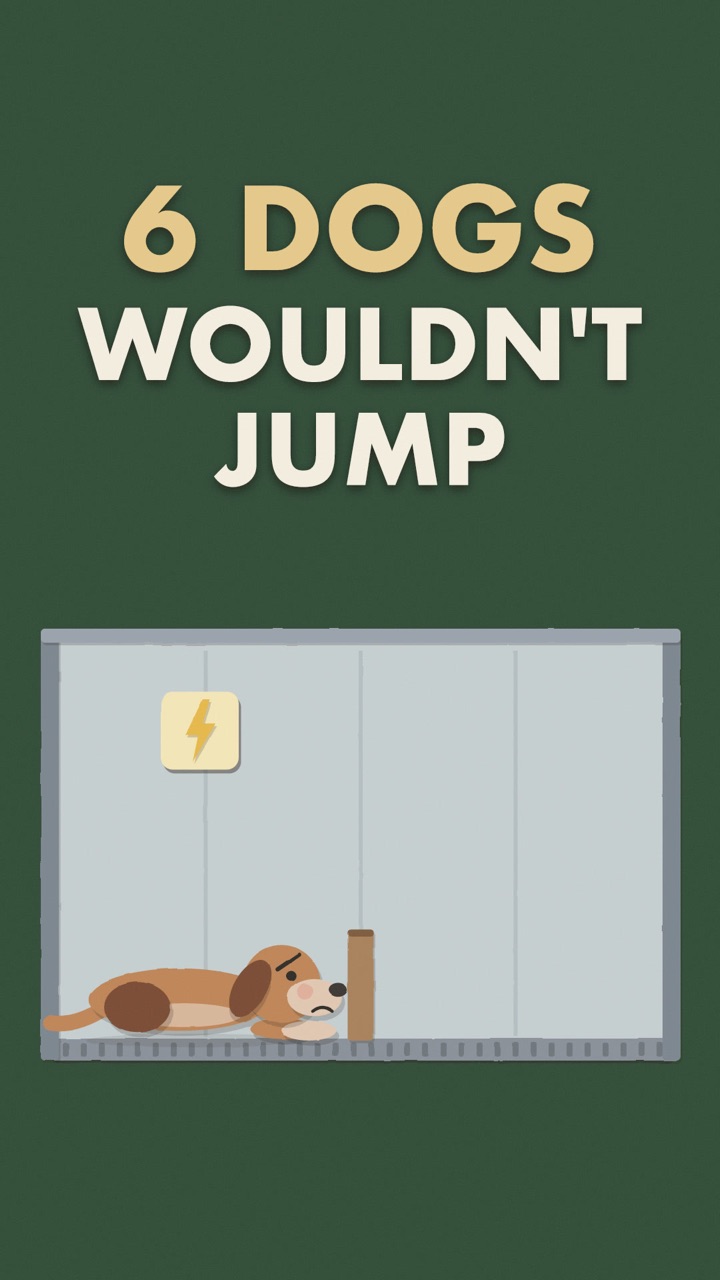
Learned Helplessness Experiment: Why 6 Dogs Stopped Trying
The learned helplessness experiment is famous for dogs that lay down instead of escaping a shock they could easily get away from. It began at the University of Pennsylvania in the 1960s, where two graduate students, Martin Seligman and Steven Maier, saw it show up by accident in someone else's experiment.

Psychology
Dunning-Kruger Effect: The Lemon Juice Robber Who Inspired It
The Dunning-Kruger effect is the idea that being bad at a skill can also make you bad at noticing it. It began with a 1995 bank robbery near Pittsburgh, and scientists still argue over how much of it is real.
Psychology
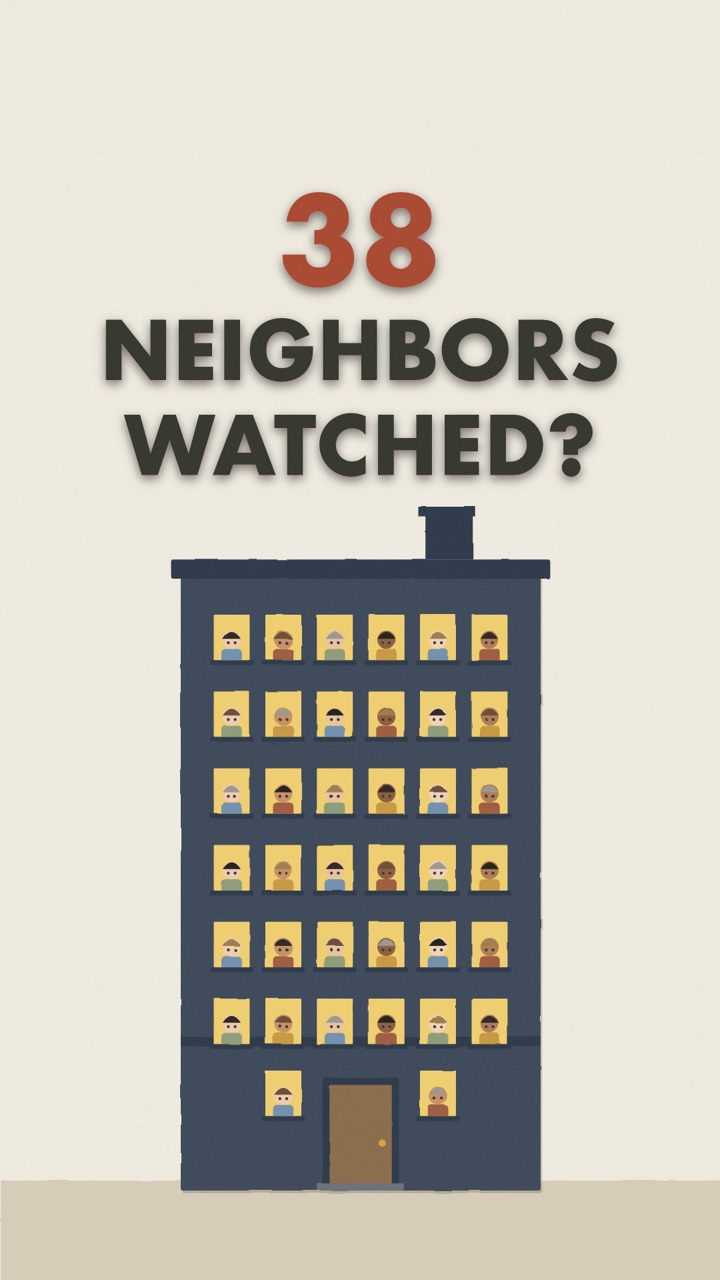
Kitty Genovese: The 38 Witnesses Story That Was Mostly Wrong
The murder of Kitty Genovese in 1964 made the bystander effect famous, after a newspaper said 38 neighbors watched and did nothing. Here is what really happened that night, what the experiments it inspired actually found, and what newer research says about whether people help.
Psychology
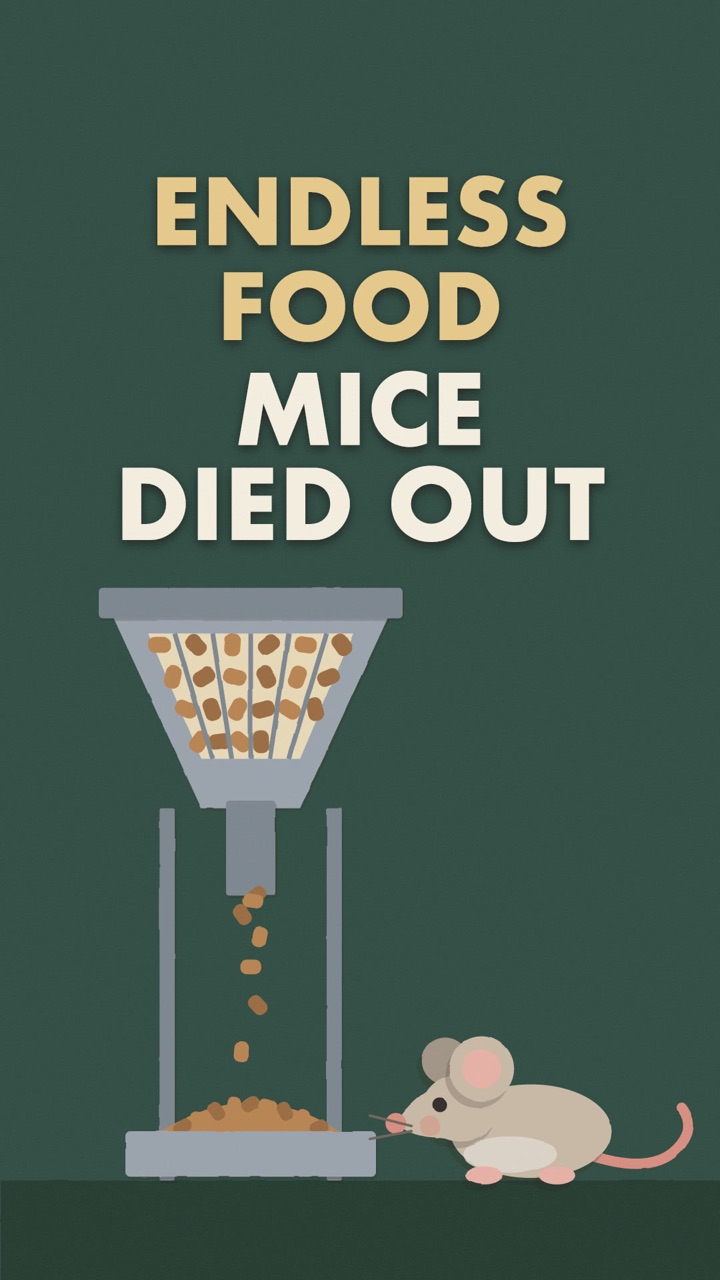
Universe 25 Experiment: Why a Mouse Paradise Died Out
The Universe 25 experiment gave mice endless food, water and shelter, yet the colony stopped having babies and died out. Here is what scientist John Calhoun saw from 1968 to 1973, and what later research says it does and does not mean for people.