Stories · Science
Patient H.M.: The Man Who Couldn't Make New Memories
Patient H.M., Henry Molaison, was the man who could not make new memories. For 55 years, he met every new person as a stranger.
The story
Patient H.M., Henry Molaison, was the man who could not make new memories. For 55 years, he met every new person as a stranger.
Henry had seizures so bad he could barely live a normal life. In 1953, when he was 27, a surgeon removed part of his brain to stop them: the hippocampus, on both sides. The seizures got better. But from that day on, Henry could not make a single new memory. Minutes after a conversation, it was gone.
Then a scientist named Brenda Milner gave him a puzzle: trace a star while looking only at its reflection in a mirror. Day after day, Henry got better at it. And every single time, he said he had never done it before.
That proved memory is not one thing. Remembering facts and events needs the hippocampus. Learning a skill does not. After Henry died in 2008, scientists cut his brain into 2,401 thin slices to keep learning from it.
Our take: your hands can remember what your mind forgets, so practice counts, even on days it feels like nothing stuck.
Sources
Every fact in this story is backed by at least two of these. How we check facts.
Full transcript
For fifty-five years, Henry met every new person as a stranger.
Henry Molaison had seizures so bad he could barely live a normal life. In nineteen fifty-three, when he was twenty-seven, a surgeon removed part of his brain to stop them. It was the hippocampus, on both sides.
The seizures got better. But something else was gone.
From that day on, Henry could not make a single new memory. Minutes after a conversation, it was gone.
Then a scientist named Brenda Milner gave him a puzzle. He had to trace a star while looking only at its reflection in a mirror. That is hard for anyone at first.
Day after day, Henry got better at it. And every single time, he said he had never done it before.
That proved something big. Memory is not one thing. Remembering facts and events needs the hippocampus. Learning a skill does not.
After Henry died in two thousand eight, scientists cut his brain into two thousand four hundred one thin slices, to keep learning from it.
Here is our take. Your hands can remember what your mind forgets, so practice counts, even on days it feels like nothing stuck.
Henry forgot every day of his own life, and that life taught the world how we remember.
More weird true stories
Psychology
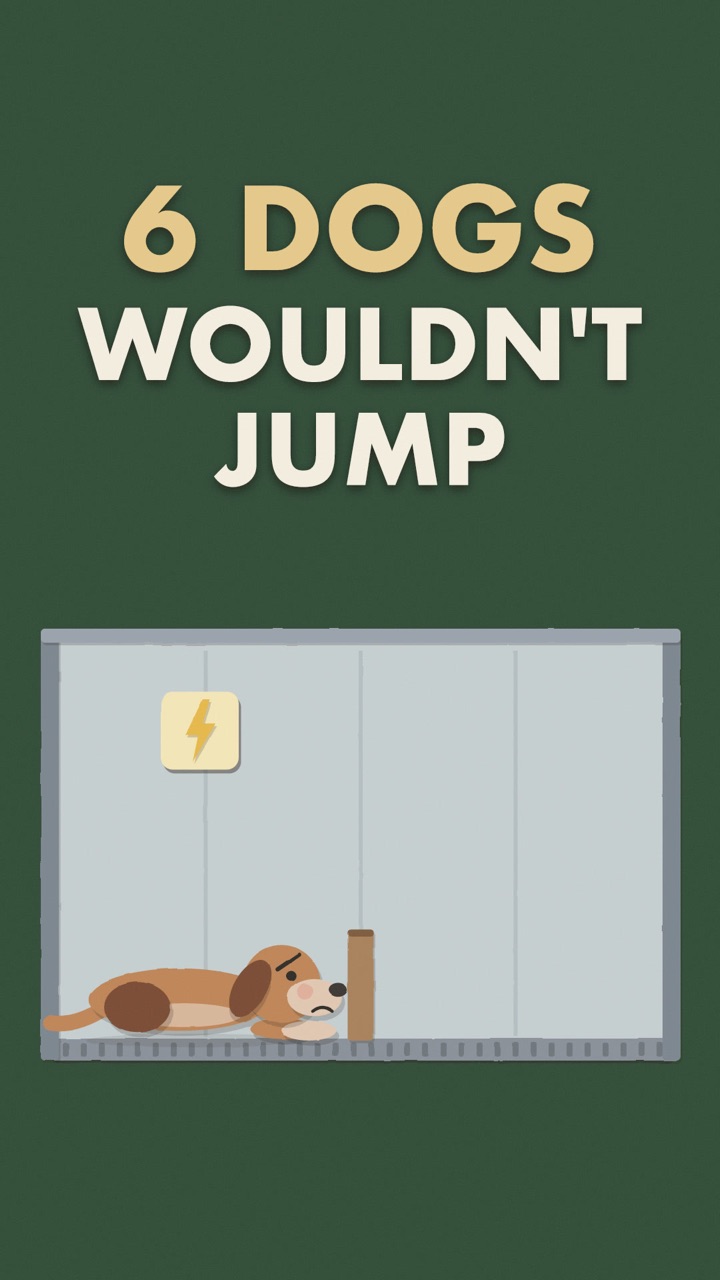
Learned Helplessness Experiment: Why 6 Dogs Stopped Trying
The learned helplessness experiment is famous for dogs that lay down instead of escaping a shock they could easily get away from. It began at the University of Pennsylvania in the 1960s, where two graduate students, Martin Seligman and Steven Maier, saw it show up by accident in someone else's experiment.
Psychology
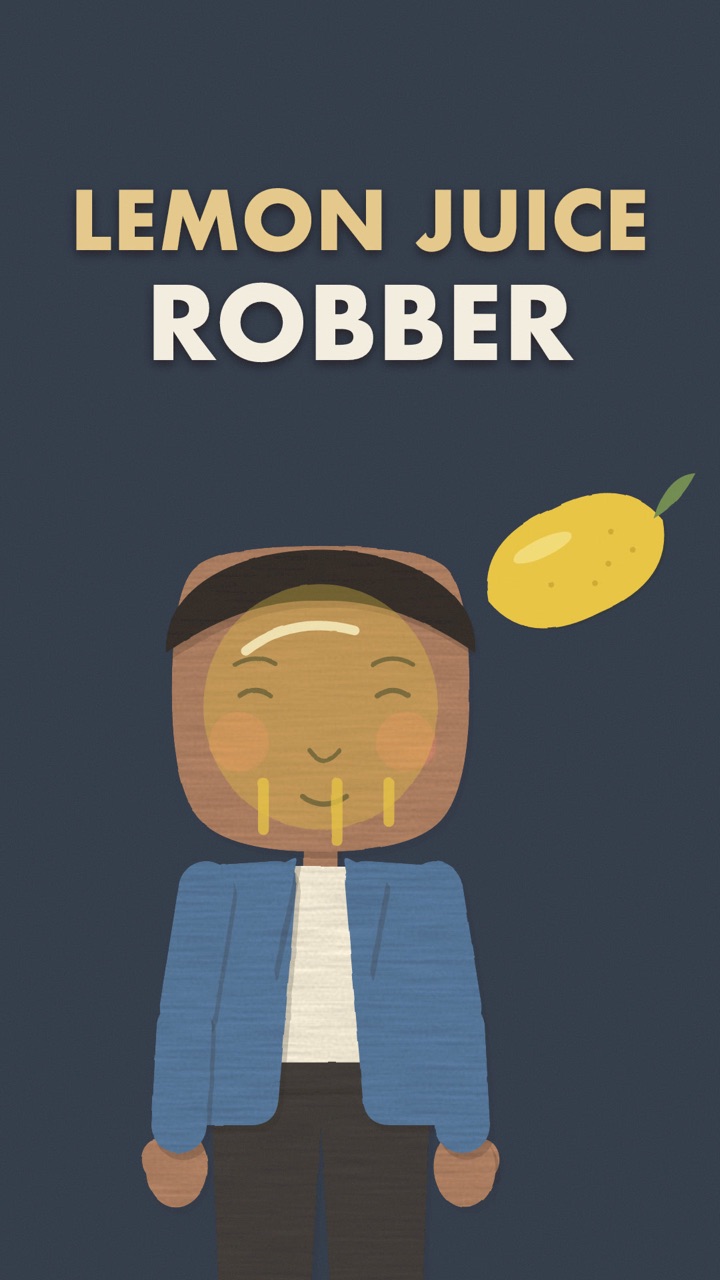
Dunning-Kruger Effect: The Lemon Juice Robber Who Inspired It
The Dunning-Kruger effect is the idea that being bad at a skill can also make you bad at noticing it. It began with a 1995 bank robbery near Pittsburgh, and scientists still argue over how much of it is real.
Psychology
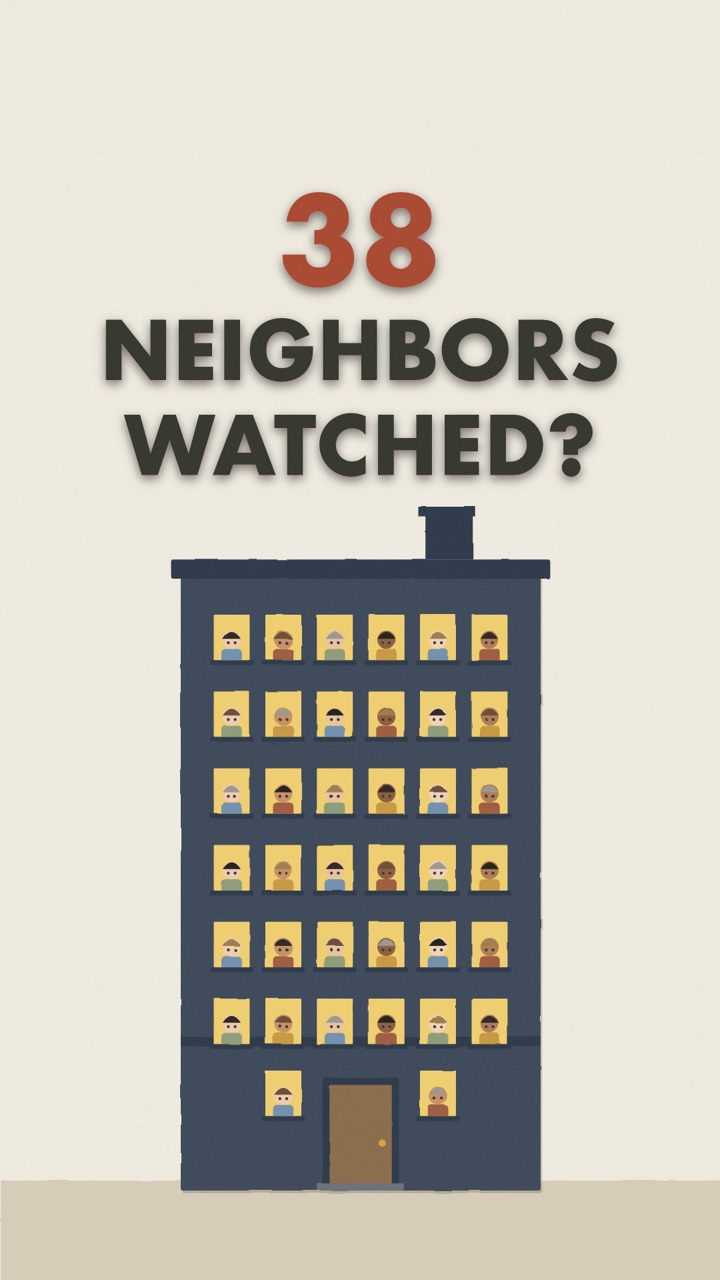
Kitty Genovese: The 38 Witnesses Story That Was Mostly Wrong
The murder of Kitty Genovese in 1964 made the bystander effect famous, after a newspaper said 38 neighbors watched and did nothing. Here is what really happened that night, what the experiments it inspired actually found, and what newer research says about whether people help.
Psychology
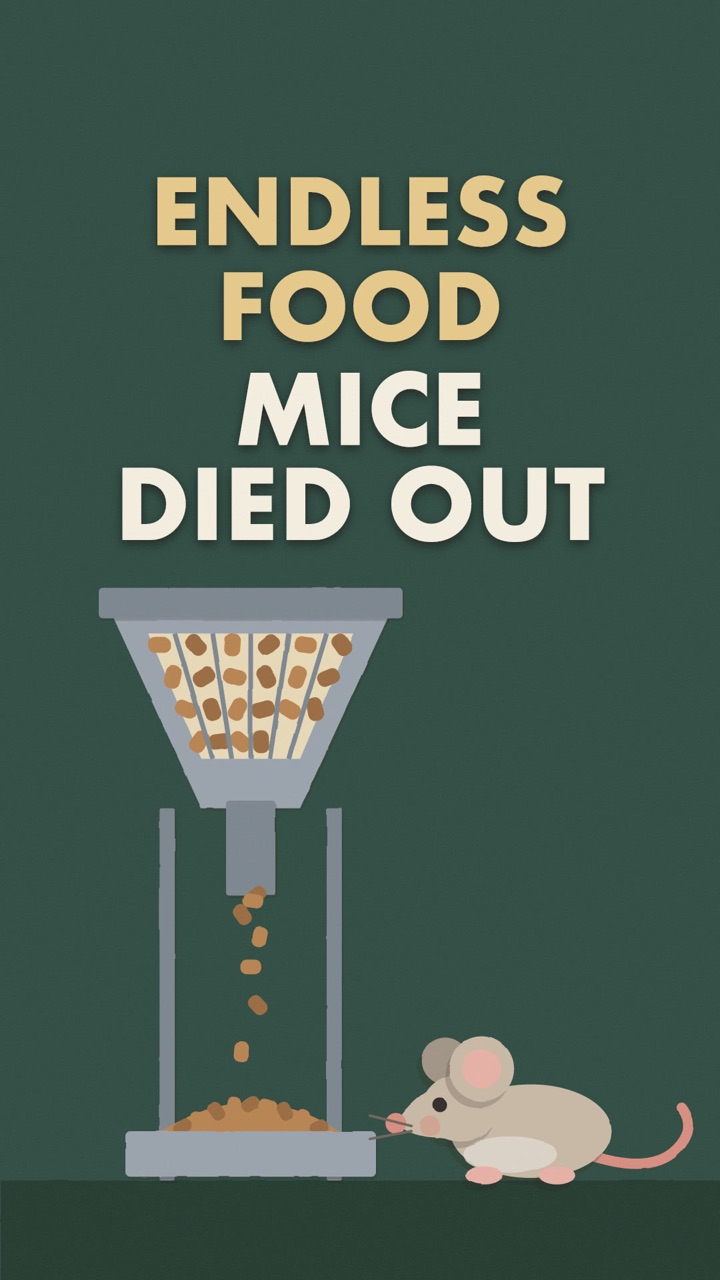
Universe 25 Experiment: Why a Mouse Paradise Died Out
The Universe 25 experiment gave mice endless food, water and shelter, yet the colony stopped having babies and died out. Here is what scientist John Calhoun saw from 1968 to 1973, and what later research says it does and does not mean for people.